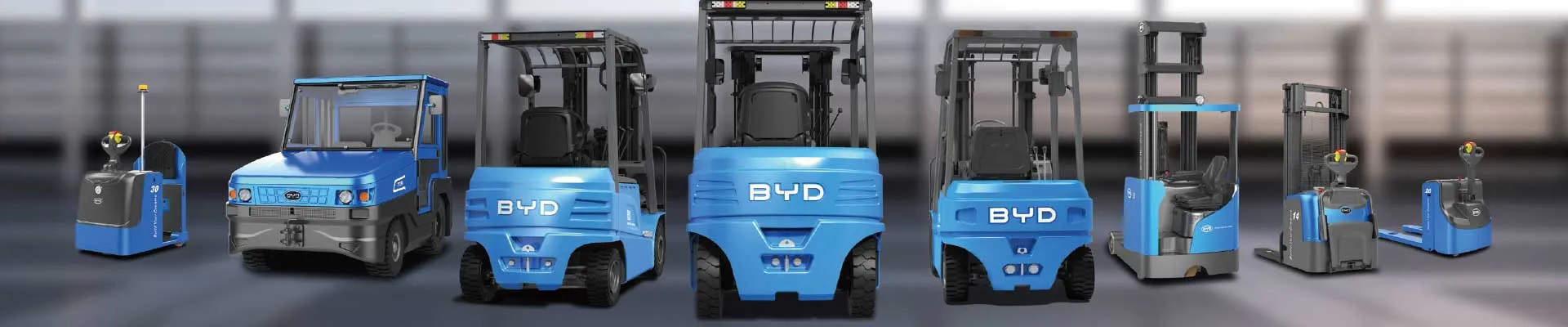
Votre chariot frontal électrique : comment bien débuter

2026-09-18

L'adoption d'un chariot frontal électrique, notamment avec la technologie lithium-ion, représente une étape clé pour moderniser votre logistique. Que vous soyez une PME ou un grand groupe, bien débuter est essentiel pour maximiser la productivité et la sécurité. Ce guide pas à pas vous accompagne dans cette transition, en mettant l'accent sur les chariots BYD et leurs batteries lithium-ion.
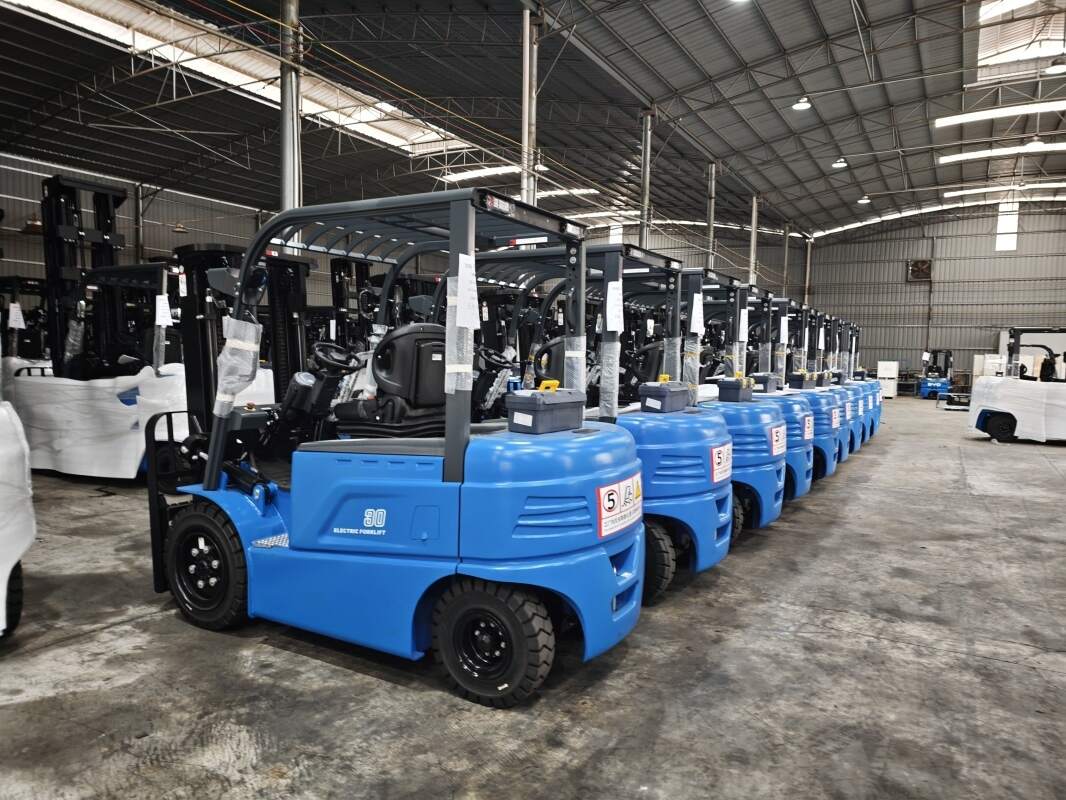
Votre chariot frontal électrique : comment bien débuter(Figure1)

1. Évaluez vos besoins et choisissez le bon modèle

Avant d'acheter ou de louer un chariot frontal électrique, analysez vos opérations : hauteur de levage, capacité de charge, largeur des allées, intensité d'utilisation. Les chariots BYD offrent des capacités de 1,5 à 5 tonnes et des hauteurs variées. Tenez compte de l'autonomie nécessaire.

Conseil

Optez pour un modèle avec batterie lithium-ion, comme les BYD, qui se recharge rapidement et ne nécessite pas de maintenance d'entretien.

Avertissement

Ne sous-estimez pas la charge de travail : un chariot sous-dimensionné entraînera des pannes et des coûts cachés.
Votre chariot frontal électrique : comment bien débuter(Figure2)

2. Préparez l'infrastructure et la recharge

L'installation d'un chariot électrique nécessite une aire de recharge adaptée. Avec la technologie lithium-ion, pas besoin de salle de charge dédiée ni de ventilation spécifique. Une prise standard peut suffire pour une recharge opportuniste.

Conseil

Prévoyez des bornes de recharge rapide pour les flottes intensives. Les batteries BYD supportent des recharges partielles sans effet mémoire.

Avertissement

Vérifiez la compatibilité électrique de votre site (tension, ampérage) avant l'installation pour éviter les surcoûts.

Tableau comparatif : plomb-acide vs lithium-ion

CritèreBatterie plomb-acideBatterie lithium-ion (BYD)
AutonomieLimitée, chute de tensionConstante, élevée
Recharge8h + entretien1-2h, opportuniste
MaintenanceRemplissage eau, nettoyageAucune
Durée de vie1 500 cycles3 000+ cycles
Coût totalÉlevé (maintenance, énergie)Optimisé

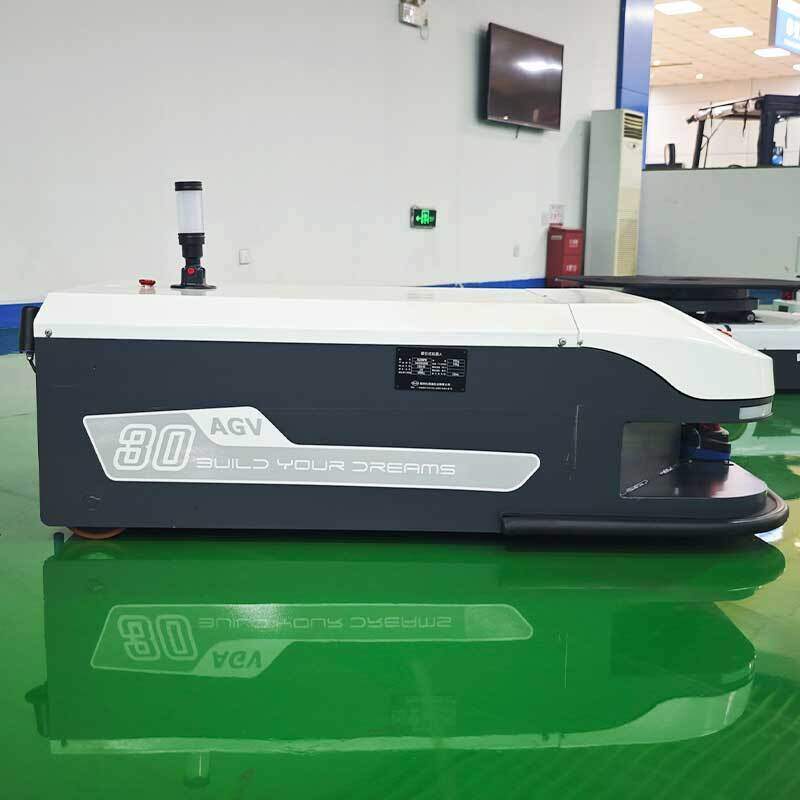
Votre chariot frontal électrique : comment bien débuter(Figure3)

3. Formez vos opérateurs à la conduite et à la sécurité

La conduite d'un chariot frontal électrique diffère de celle d'un chariot thermique : accélération plus douce, absence de bruit, etc. Une formation certifiée (CACES) est obligatoire en France. Intégrez les spécificités du lithium-ion : indicateurs de charge, procédures d'urgence.

Conseil

Organisez des sessions pratiques avec le chariot BYD pour familiariser les caristes avec la réponse instantanée du moteur électrique.

Avertissement

Ne laissez jamais un opérateur non formé utiliser le chariot : risque d'accident et de dommages matériels.

4. Mettez en place un plan de maintenance préventive

Les chariots électriques BYD nécessitent peu d'entretien, mais un suivi régulier est crucial : vérification des freins, des pneus, des niveaux, et du système de gestion de batterie (BMS).

Conseil

Utilisez les données du BMS pour anticiper les besoins de maintenance. Un contrôle mensuel suffit généralement.

Avertissement

Négliger les alertes du BMS peut réduire la durée de vie de la batterie lithium-ion et annuler la garantie.

5. Optimisez la gestion de l'énergie et des recharges

La batterie lithium-ion permet des recharges opportunistes (pause déjeuner, changement d'équipe). Planifiez les cycles pour maximiser l'autonomie.

Conseil

Maintenez la charge entre 20% et 80% pour prolonger la vie de la batterie. Évitez les décharges profondes fréquentes.

Avertissement

Ne stockez pas un chariot avec une batterie totalement déchargée pendant une longue période : cela peut l'endommager.

6. Suivez les performances et ajustez

Mesurez la productivité, la consommation énergétique, et les incidents. Les chariots BYD sont souvent équipés de systèmes de télémétrie. Analysez les données pour améliorer les processus.

Conseil

Comparez les coûts d'exploitation avant/après le passage à l'électrique : vous constaterez souvent une réduction significative.

Avertissement

Ne vous fiez pas uniquement aux impressions : les données sont essentielles pour justifier l'investissement.

Conclusion

Bien débuter avec un chariot frontal électrique repose sur une préparation rigoureuse. En suivant ces étapes, vous maximiserez la rentabilité et la sécurité. Les chariots BYD à batterie lithium-ion sont une solution d'avenir pour votre logistique. Pour toute question ou pour un accompagnement personnalisé, contactez-nous à info@bydfork.com.

We use cookie to improve your online experience. By continuing to browse this website, you agree to our use of cookie.

Cookies

Please read our Terms and Conditions and this Policy before accessing or using our Services. If you cannot agree with this Policy or the Terms and Conditions, please do not access or use our Services. If you are located in a jurisdiction outside the European Economic Area, by using our Services, you accept the Terms and Conditions and accept our privacy practices described in this Policy.
We may modify this Policy at any time, without prior notice, and changes may apply to any Personal Information we already hold about you, as well as any new Personal Information collected after the Policy is modified. If we make changes, we will notify you by revising the date at the top of this Policy. We will provide you with advanced notice if we make any material changes to how we collect, use or disclose your Personal Information that impact your rights under this Policy. If you are located in a jurisdiction other than the European Economic Area, the United Kingdom or Switzerland (collectively “European Countries”), your continued access or use of our Services after receiving the notice of changes, constitutes your acknowledgement that you accept the updated Policy. In addition, we may provide you with real time disclosures or additional information about the Personal Information handling practices of specific parts of our Services. Such notices may supplement this Policy or provide you with additional choices about how we process your Personal Information.


Cookies

Cookies are small text files stored on your device when you access most Websites on the internet or open certain emails. Among other things, Cookies allow a Website to recognize your device and remember if you've been to the Website before. Examples of information collected by Cookies include your browser type and the address of the Website from which you arrived at our Website as well as IP address and clickstream behavior (that is the pages you view and the links you click).We use the term cookie to refer to Cookies and technologies that perform a similar function to Cookies (e.g., tags, pixels, web beacons, etc.). Cookies can be read by the originating Website on each subsequent visit and by any other Website that recognizes the cookie. The Website uses Cookies in order to make the Website easier to use, to support a better user experience, including the provision of information and functionality to you, as well as to provide us with information about how the Website is used so that we can make sure it is as up to date, relevant, and error free as we can. Cookies on the Website We use Cookies to personalize your experience when you visit the Site, uniquely identify your computer for security purposes, and enable us and our third-party service providers to serve ads on our behalf across the internet.

We classify Cookies in the following categories:
 ●  Strictly Necessary Cookies
 ●  Performance Cookies
 ●  Functional Cookies
 ●  Targeting Cookies


Cookie List
A cookie is a small piece of data (text file) that a website – when visited by a user – asks your browser to store on your device in order to remember information about you, such as your language preference or login information. Those cookies are set by us and called first-party cookies. We also use third-party cookies – which are cookies from a domain different than the domain of the website you are visiting – for our advertising and marketing efforts. More specifically, we use cookies and other tracking technologies for the following purposes:

Strictly Necessary Cookies
These cookies are necessary for the website to function and cannot be switched off in our systems. They are usually only set in response to actions made by you which amount to a request for services, such as setting your privacy preferences, logging in or filling in forms. You can set your browser to block or alert you about these cookies, but some parts of the site will not then work. These cookies do not store any personally identifiable information.

Functional Cookies
These cookies enable the website to provide enhanced functionality and personalisation. They may be set by us or by third party providers whose services we have added to our pages. If you do not allow these cookies then some or all of these services may not function properly.

Performance Cookies
These cookies allow us to count visits and traffic sources so we can measure and improve the performance of our site. They help us to know which pages are the most and least popular and see how visitors move around the site. All information these cookies collect is aggregated and therefore anonymous. If you do not allow these cookies we will not know when you have visited our site, and will not be able to monitor its performance.

Targeting Cookies
These cookies may be set through our site by our advertising partners. They may be used by those companies to build a profile of your interests and show you relevant adverts on other sites. They do not store directly personal information, but are based on uniquely identifying your browser and internet device. If you do not allow these cookies, you will experience less targeted advertising.

How To Turn Off Cookies
You can choose to restrict or block Cookies through your browser settings at any time. Please note that certain Cookies may be set as soon as you visit the Website, but you can remove them using your browser settings. However, please be aware that restricting or blocking Cookies set on the Website may impact the functionality or performance of the Website or prevent you from using certain services provided through the Website. It will also affect our ability to update the Website to cater for user preferences and improve performance. Cookies within Mobile Applications

We only use Strictly Necessary Cookies on our mobile applications. These Cookies are critical to the functionality of our applications, so if you block or delete these Cookies you may not be able to use the application. These Cookies are not shared with any other application on your mobile device. We never use the Cookies from the mobile application to store personal information about you.

If you have questions or concerns regarding any information in this Privacy Policy, please contact us by email at . You can also contact us via our customer service at our Site.